How to Choose the Right Nickel Strip for Battery Packs
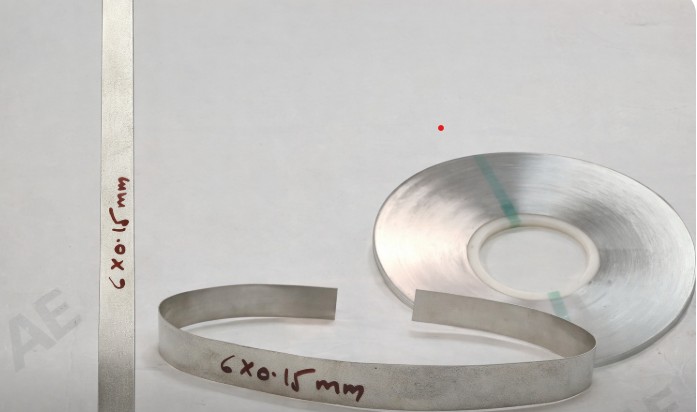
Choosing the correct nickel strip is one of the most important steps in building a reliable lithium battery pack. The right strip improves conductivity, reduces heat, and increases battery life.
## Why Nickel Strips Matter
Nickel strips are used to connect battery cells together through spot welding. Using the wrong material or thickness can lead to voltage loss, overheating, or poor battery performance.
## Types of Nickel Strips
### Pure Nickel Strip
Pure nickel strips have excellent conductivity and corrosion resistance. They are recommended for high-quality battery packs.
### Nickel-Plated Steel Strip
Nickel-plated steel strips are more affordable but have higher electrical resistance than pure nickel. They are suitable for low-current applications.
## Factors to Consider
### Thickness
Select the strip thickness according to the current requirement.
- 0.10 mm – Small electronic devices
- 0.15 mm – Standard battery packs
- 0.20 mm – High-current applications
### Width
Common widths include:
- 6 mm
- 8 mm
- 10 mm
- 12 mm
Choose the width based on your battery cell arrangement.
### Purity
Always verify whether the strip is pure nickel or nickel-plated steel. A simple magnet test can help identify the material.
## Tips Before Buying
- Buy from trusted suppliers.
- Check dimensions carefully.
- Match the strip to your spot welder's capability.
- Purchase genuine pure nickel for long-lasting battery performance.
## Conclusion
Selecting the right nickel strip improves battery safety, efficiency, and durability. Consider thickness, width, material quality, and current requirements before making your purchase. Investing in quality nickel strips will help you build reliable battery packs that last longer.
## Why Nickel Strips Matter
Nickel strips are used to connect battery cells together through spot welding. Using the wrong material or thickness can lead to voltage loss, overheating, or poor battery performance.
## Types of Nickel Strips
### Pure Nickel Strip
Pure nickel strips have excellent conductivity and corrosion resistance. They are recommended for high-quality battery packs.
### Nickel-Plated Steel Strip
Nickel-plated steel strips are more affordable but have higher electrical resistance than pure nickel. They are suitable for low-current applications.
## Factors to Consider
### Thickness
Select the strip thickness according to the current requirement.
- 0.10 mm – Small electronic devices
- 0.15 mm – Standard battery packs
- 0.20 mm – High-current applications
### Width
Common widths include:
- 6 mm
- 8 mm
- 10 mm
- 12 mm
Choose the width based on your battery cell arrangement.
### Purity
Always verify whether the strip is pure nickel or nickel-plated steel. A simple magnet test can help identify the material.
## Tips Before Buying
- Buy from trusted suppliers.
- Check dimensions carefully.
- Match the strip to your spot welder's capability.
- Purchase genuine pure nickel for long-lasting battery performance.
## Conclusion
Selecting the right nickel strip improves battery safety, efficiency, and durability. Consider thickness, width, material quality, and current requirements before making your purchase. Investing in quality nickel strips will help you build reliable battery packs that last longer.